Buzz Bingo Reports Revenue Growth Offset by Rising Employment Costs
Geschrieben von Morgan Hoffmann · 2.9.2026

Buzz Bingo Reports Revenue Growth Offset by Rising Employment Costs
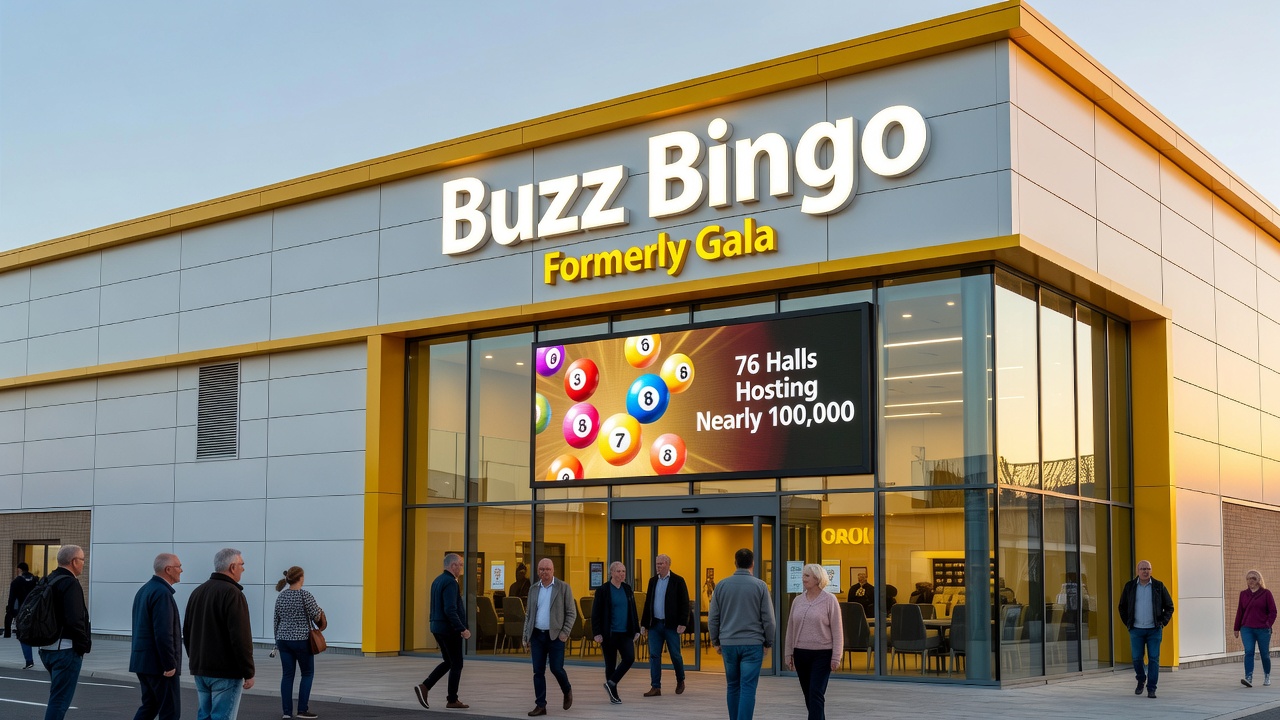
Buzz Bingo, the United Kingdom's largest bingo hall operator formerly known as Gala, operates 76 halls that host nearly 100,000 players each week and has released financial results for the 12 months ending January 2026. The company recorded an 11% increase in revenue to £241 million alongside an 8% rise in in-person players and 30% growth in online customers, yet underlying earnings fell 6% to £39 million. Significant increases in employer national insurance contributions and the national living wage drove the earnings pressure, prompting the operator to slow its pace of investment during the period.
Key Financial Figures and Operational Performance
Data from the company's accounts show revenue climbing to £241 million for the year, while underlying earnings declined to £39 million. The 11% revenue expansion came even as in-person attendance rose 8% across the hall network. Online customer numbers grew 30%, contributing additional volume to the overall business. Nearly 190,000 new customers joined during the year, with half of those aged 35 or under, indicating sustained interest from younger demographics in both physical and digital bingo offerings.
Observers note that the earnings contraction occurred despite these volume gains because employment-related costs rose sharply. Employer national insurance contributions and the national living wage both increased materially, directly affecting the cost base of a labor-intensive operation that employs staff across dozens of venues. The company responded by moderating investment levels rather than accelerating expansion plans that had been under consideration.
Impact of Employment Cost Increases on Operations
Figures reveal that the combined effect of higher employer national insurance contributions and the elevated national living wage created measurable margin compression. These statutory changes applied across the workforce that supports bingo sessions, retail operations, and venue maintenance. Management attributed the entire earnings shortfall to these external cost drivers, stating that revenue and customer metrics remained positive throughout the reporting period.
Investment activity slowed as a direct consequence. Capital expenditure on hall refurbishments, technology upgrades, and potential new site evaluations was scaled back while the company assessed the ongoing impact of the higher employment costs. This measured approach allowed Buzz Bingo to maintain operational stability across its 76 locations without immediate service reductions or venue closures.
Customer Growth and Demographic Trends
Customer acquisition remained robust, with 190,000 new sign-ups recorded. Half of these additions fell into the 35-and-under age bracket, reflecting continued appeal among Gen Z and millennial players. In-person attendance grew 8% year on year, while the online channel expanded 30%, demonstrating that both formats benefited from the same demographic shift. The company maintains that these trends support long-term viability provided employment cost pressures can be managed.
Weekly footfall across the hall estate averages close to 100,000 players, a figure that has held steady even as individual venues adjust programming and promotions. The operator has leveraged digital integration, allowing customers to move between physical halls and online platforms, which has supported the dual-channel growth pattern observed in the results.
Strategic Response and Forward Planning
Management has indicated that slower investment will continue while the full-year effects of the national insurance and living wage changes are evaluated. No immediate changes to hall numbers or opening hours have been announced. The focus remains on operational efficiency measures that preserve service levels without requiring additional headcount in the short term.
According to the City A.M. report covering these accounts, the earnings impact was isolated to the employment cost line items. Revenue and customer metrics continued to advance, suggesting the underlying demand for bingo entertainment has not weakened. The company will monitor legislative developments around employment taxation ahead of the next reporting cycle.
Conclusion
Buzz Bingo's results for the year to January 2026 illustrate a business experiencing volume growth across both halls and digital channels while absorbing higher statutory employment costs. Revenue reached £241 million with an 11% increase, yet underlying earnings fell 6% to £39 million because of elevated national insurance contributions and the national living wage. The operator has adjusted its investment cadence accordingly and continues to attract younger customers, with 95,000 of the 190,000 new sign-ups aged 35 or under. These facts provide a clear picture of the current trading environment for the UK's largest bingo operator.